

El Paso's summer heat can be demanding on vehicles, especially when daily commutes, extended highway drives, and frequent air conditioning use add up over several months. As fall arrives, Toyota drivers have an opportunity to review their vehicle's condition, catch developing maintenance concerns, and prepare for the next season of driving.
Whether you drive a Toyota Camry, Corolla, RAV4, 4Runner, or another model, seasonal maintenance can help you stay on top of routine service needs. If you're looking for Toyota maintenance in El Paso, TX, a fall inspection is a practical starting point for checking the components that matter most.Why Fall Is a Good Time for Toyota Maintenance
Cooler weather does not automatically reverse the effects of a hot summer. Extended heat exposure can contribute to battery deterioration, while driving on hot pavement can make tire condition and inflation especially important.Dust and debris can also affect the condition of filters and other exposed components. A seasonal check gives you an opportunity to assess these items before planning longer drives or settling into a new daily routine.
Start by reviewing your Toyota's maintenance schedule. The appropriate service interval depends on the model, model year, powertrain, driving conditions, and maintenance history.
1. Test the Battery After a Hot Summer
Your battery is an important part of reliable everyday driving. Heat can accelerate battery aging, so a battery that has been in service for several years may deserve closer attention after summer.Watch for signs such as slow engine cranking, unusual starting behavior, or visible corrosion around the battery terminals. These symptoms do not always point to the same problem, so professional testing can help determine what is happening.
During a fall service visit, consider asking for:
- A battery performance test.
- An inspection of battery connections and visible corrosion.
- An assessment of the battery's age and overall condition.
- An evaluation of charging-system concerns if symptoms suggest a problem.
Addressing a weak battery before it fails may help you avoid an inconvenient interruption to your routine.
2. Check Tire Pressure and Tread
Tire maintenance is important throughout the year, and fall is a convenient time to review tire condition after months of hot-weather driving.Begin with tire pressure. Check it when the tires are cold and use the recommended pressure listed on your Toyota's tire-information label or in the owner's manual. Do not use the maximum pressure printed on the tire sidewall as your everyday target.
Next, inspect tread depth and look for signs of uneven wear, cuts, bulges, or embedded objects. Uneven wear can indicate a problem with inflation, alignment, suspension components, or another part of the vehicle that needs attention.
Also consider the following:
- Check all four tires, including the inside edges where wear may be less obvious.
- Inspect the spare tire if your Toyota is equipped with one.
- Follow the recommended tire-rotation schedule.
- Ask about alignment if the vehicle pulls to one side or the steering wheel is off-center.
- Have persistent pressure loss investigated.
3. Review Engine Oil and Essential Fluids
Engine oil helps lubricate internal components, and other vehicle fluids support cooling, braking, and proper operation of applicable systems. A fall checkup is a good opportunity to determine whether routine service is due.Review your Toyota's engine-oil level and maintenance schedule. If an oil change is approaching, plan it according to the manufacturer's recommendations rather than waiting for a warning or assuming all Toyota models use the same interval.
Other fluid checks may include:
- Coolant: Look for an appropriate coolant level and signs of leakage. Cooling-system concerns deserve prompt attention.
- Brake fluid: Follow the recommended inspection and replacement guidance.
- Windshield washer fluid: Refill it as needed to help maintain visibility.
- Other applicable fluids: Consult your owner's manual for the specific requirements of your vehicle.
4. Inspect the Air Conditioning and Cabin Air Filter
Air conditioning is an everyday necessity for many El Paso drivers during summer. As temperatures change, make sure the system continues to perform as expected.Pay attention to weak airflow, unusual odors, inconsistent cooling, or unexpected sounds. These may be reasons to have the system inspected.
Ask about the cabin air filter as part of your routine maintenance review. Dusty driving conditions can make filter condition particularly relevant to cabin airflow. The appropriate replacement interval depends on the vehicle and its maintenance requirements.
If you notice persistent odors or reduced airflow, avoid assuming the filter is the only possible cause. A technician can help determine whether additional inspection is needed.
5. Check Brakes, Lights, Belts, and Hoses
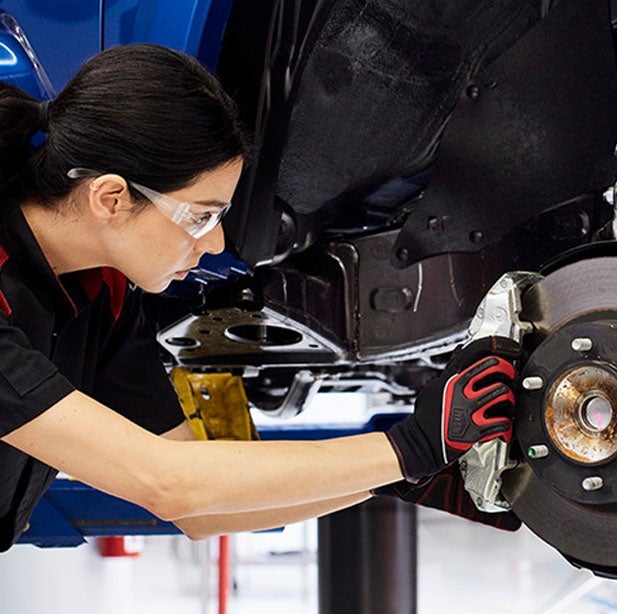
A seasonal inspection should also consider components that contribute to everyday safety and reliability.Have the brakes checked if you notice squealing, grinding, vibration, pulling, or changes in pedal feel. Even without obvious symptoms, follow the recommended inspection schedule.
Where applicable, belts and hoses should be checked for visible deterioration, damage, or leaks. Any signs of fluid loss or overheating deserve attention.
Check your exterior lighting, including headlights, brake lights, turn signals, and hazard lights. Working lights help other drivers see your vehicle and understand your intentions, especially during early-morning commutes and evening travel.
If a dashboard warning light appears, consult your owner's manual and arrange the appropriate service. Continuing to drive without understanding a warning can allow some problems to worsen.
6. Prepare Your Toyota for Fall Trips
If your plans include weekend drives beyond El Paso, complete a basic road-trip inspection before departure.Review tire pressure, tread, lights, fluid levels, and scheduled maintenance. Make sure your phone is charged, your navigation is ready, and your emergency supplies are accessible.
Pack drinking water, a first-aid kit, a flashlight, and roadside assistance information. For longer drives, check the forecast and road conditions along your route and plan stops in advance.
Drivers of SUVs such as the Toyota RAV4 and 4Runner should also consider how passengers, luggage, and outdoor equipment will be secured. Cargo should not obstruct visibility or move dangerously during braking.
Build a Consistent Maintenance Routine
Seasonal maintenance works best when it complements a regular service schedule. Keep records of oil changes, tire rotations, battery tests, brake inspections, and other recommended work.Your Toyota's owner's manual and maintenance guide are the best starting points for determining what service is appropriate. Vehicle age, mileage, driving habits, and past repairs can all influence what needs attention.
If you're unsure whether a particular component needs service, ask a qualified technician to inspect it and explain the findings.
Schedule Toyota Service in El Paso
Fall is an opportunity to address routine maintenance before the next long drive or busy stretch of daily commuting.Visit Fox Toyota of El Paso to learn more about the dealership and discuss your Toyota's maintenance needs. Whether you need a routine service visit or want to investigate a developing concern, a model-appropriate inspection can help you make informed decisions about your vehicle.
By paying attention to your battery, tires, fluids, brakes, and air conditioning system, you can prepare your Toyota for the season ahead and help keep everyday driving on track.