


Blog / Car Maintenance

Blog

All Car Maintenance El Paso Toyota Dealer Fox Toyota of El Paso Local Area Toyota Vehicles El Paso Toyota Service Toyota Corolla Toyota RAV4 Toyota Tacoma Toyota Camry Fox Toyota of El Paso Service Toyota Tundra Toyota Prius Plug-In Hybrid Toyota Land Cruiser Toyota Sequoia Toyota Crown Toyota Highlander Texas Toyota 4Runner Toyota Corolla Cross Hybrid Toyota GR Supra Toyota GR86 Toyota Grand Highlander Toyota Sienna Toyota Trucks for Desert Conditions 2026 Toyota RAV4 2026 Toyota SUVs Car Myths El Paso Used Cars RAV4 Hybrid and Highlander Hybrid Toyota bZ4X Toyota Corolla Hatchback Toyota EV Toyota financing deals in El Paso, TX Toyota GR Corolla Toyota Hybrids in El Paso, TX Toyota Mirai Toyota Tacoma and Tundra in El Paso,TX Toyota Venza Toyota Yaris
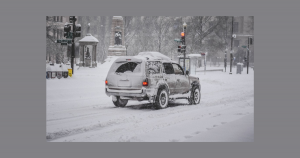
Driving in snow | Fox Toyota of El Paso in El Paso, TX

4 Ways to Prepare Your Car for Colder Weather

As the seasons change and temperatures cool, it's important to prepare your car for the onset of colder weather. There are several steps you can take to prepare for a difficult or dangerous situation when the weather's bad. Browse these four ways you can prepare your car for the colder days ahead. 1. Check Fluids and Top Them Off Your car relies on a number of fluids to work properly. While it's a good idea to keep tabs on all your vehicle's fluids, some are more important than others when the mercury drops. For example: you need to check your vehicle's engine cooling system. Though the system is crucial year-round, it's especially important during cold weather because the antifreeze and water work to prevent corrosion. Ask your dealership to replenish the fluids in the cooling system, because vehicles require a different water-to-antifreeze ratio during cooler weather. more Other important fluids to check include windshield wiper fluid, oil, and brake fluid. Like the fluids in the cooling system, the other liquids in your car may need to be tweaked in anticipation of cold temperatures. When the cold begins to wane, it's a good idea to have the dealership check your fluids again. 2. Test the Heater and Defroster Even if you don't have to contend with snow and ice, it's important to make sure you can keep your vehicle's interior toasty when the wind picks up and the temperatures drop. Evaluate whether the vents are producing a strong air current and if the air is hot enough. Problems with these important systems usually require the skills of an expert mechanic. To prevent yourself from being left in the cold, you want to check these systems before the coldest weather blows into town. 3. Swap Out Your Windshield Wiper Blades In many regions, cold weather brings rain, sleet, ice, and snow. Even if you aren't expecting the worst kinds of weather, you need to at least be prepared for rain, so it's smart to change out your windshield wiper blades. Because downpours can happen at any time of year, set a schedule for changing your blades at least twice a year. This helps you achieve maximum visibility so you can stay safe when the roads are slick. Another way to improve visibility is to treat your windshield with a product that repels water. 4. Check Your Tires for Wear and Correct Pressure Having the right tire pressure enables you to achieve better traction when you drive in adverse conditions. Your vehicle's ideal tire pressure is listed in the owner's manual or on a sticker inside the driver's side door. If you can't find it, your dealership can make sure your tires are properly inflated. When you check tire pressure, also look for signs of wear on your tires. Bald spots, gashes, and tears are signs that you need to get new tires. With the right steps, you can get your car ready for cold weather and reduce the chance that you'll have car trouble. Schedule an appointment today with your trusty service department at Fox Toyota of El Paso to prep for the incoming changes! Image via pixabay.com | Licensed under Pixabay License
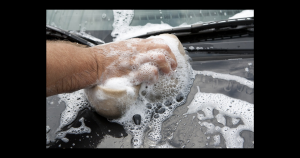
Washing a car | Fox Toyota of El Paso in El Paso, TX

How to Protect Your Paint Job

Keep your investment looking new and dashing for as long as possible with the tips listed below! By protecting your paint job, you’ll increase your vehicle’s resale value. Find out how easy it is to take care of your car’s paint job below! Get it Pressure Washed Salt and road dirt build up on the undercarriage of the car when you drive on snowy, icy roads during the winter months. This is nearly impossible to see but can break loose as you're driving and move around to other parts of the car. If this occurs, it can cause significant damage to your vehicle. more When there is a break between snowstorms, head to a car wash for a pressure wash service. Make sure to add the undercarriage wash to get rid of salt and grime, since this area is hard to reach. Washing your car regularly is another easy way to protect the paint, especially throughout the colder months of the year. Apply a Protective Layer When the temperatures drop, many people put on gloves to protect their hands from harsh conditions. Your vehicle needs similar protection from the elements, and a coat of wax is the perfect option. There are several choices on the market, from wax products that have a glossy, shiny finish to those that offer a matte look, spray-on to wipe-on, and everything in between. Find the product that works best for you and that you'll actually use it since it won't do you much good sitting in your garage all winter. A coat of wax helps to protect the paint from sleet, rain, snow, salt, and other grime on the roads. Reconsider Your Ice Scraper Getting ice off your car is a safety concern that must happen before you drive, but hard plastic scrapers can cause damage to painted areas if your hand slips. Instead of one of these, opt for a soft-bristled or foam brush to gently wipe away snow and ice. In order to melt the ice, turn on the defrost system in the car to get the temperature up since this will make it easier to sweep away the frosty parts instead of scraping vigorously. Take Protection a Step Further If a coating of wax isn't doing enough to protect your paint job, you may want to invest in an auto paint protection film that covers the exterior of your vehicle. Often referred to as a clear bra, this film goes on transparent and protects the paint from chips, dings, dents, and other damage. The most common areas to apply it are around the headlights and front bumper since these tend to take a lot of abuse when tires kick up rocks and other debris from the road. Keep your car's paint looking nice and new by following these simple tips, no matter what season is coming! Image via pixabay.com | Licensed under Pixabay License
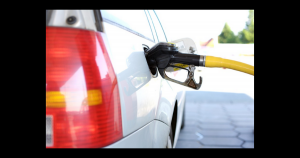
Pumping Gas | Fox Toyota of El Paso in El Paso, TX

6 Ways to Save on Gas

No one wants to waste money – which is why the manner you drive in can be so important. By following these simple tips, you can improve your car’s gas efficiency, saving you money in the long run! Read on for cost-cutting tips. Develop Better Driving Habits Rapid acceleration, speeding, and other forms of aggressive driving are not only a nuisance to other drivers, but they're also costing you big. more Stopping gradually and slowly accelerating from a stop can help cut fuel consumption by as much as 30 percent. When driving on the highway, turn on cruise control, as this handy feature will boost your vehicle's gas mileage by a noticeable amount. As long as you take it easy and develop good driving habits, you're already coming out ahead. Download a Mobile App Smartphone apps like GasBuddy and AAA Triptik are designed to help you locate the cheapest gas stations in your area, which makes them invaluable tools to have since prices are constantly fluctuating. You can even save gas by using your mobile phone to check traffic conditions. Waze or even the Maps app for iPhone, for instance, give you a helpful traffic report so that you can plan your route accordingly, avoiding all that gas-wasting idling. Reduce the Weight Hauling unnecessary cargo, especially on the roof of your vehicle, can really cut into your gas mileage. Luggage racks, cargo containers, and other exterior add-ons create more wind resistance, making your vehicle less aerodynamic. Any extra weight in the trunk or cargo space can also be detrimental to your fuel economy. Unless you're setting out on a road trip and require all that extra gear - leave it at home. Turn Off the Air Conditioning Cranking up the air conditioning is a necessity in the summer months, but it really puts a dent in your gas budget. Try wearing lighter clothing and rolling the windows down. If you're commuting in the early morning during the coolest part of the day, you may not even miss the A/C. You'll also want to park your car in a shaded area to help keep it cool. At the very least, try using your A/C less to help save on gas expenses. Time Your Fill-Ups Gas prices tend to rise on Thursdays just before weekend travel, so try to fill up your tank just prior to that on Wednesday or Thursday morning, since 10 a.m. is generally when most gas stations set their prices for the day. Whatever you do, don't buy gas from Friday to Sunday, or even during the holidays, as prices always seem to rise during these periods. Sign Up for a Gas Rewards Card Many grocery stores offer gas rewards cards that allow you to accumulate points with every purchase, which you can put toward gas. If you can get the entire family to share the same card, you can build up points even faster. Sticking to your gas budget is easy when you shop and drive smarter. Try out a few of these suggestions and see just how much you can save! Image via pixabay.com | Licensed under Pixabay License
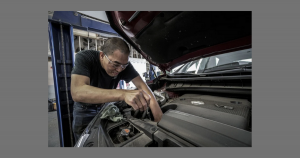
Engine repairs | Fox Toyota of El Paso in El Paso, TX

Never Ignore Car Maintenance

As the saying goes, "better safe than sorry" - and that pertains just as much to your vehicle. If you hope to get the most out of your investment, prevention is a key factor - staying on top of regular services can extend the lifetime of your vehicle by years. Read on for some of the warning signs that signal you may need to make an appointment with a service center. Smells If you have ever been in your car and smelled something like rotten eggs or gas, your vehicle may need some serious maintenance. Most of the time, if you can smell something coming from under the hood of your car or from the vents, you should get your car checked. If the smell is of gas, you could smell a gas leak coming from underneath your car, which causes a fire hazard. Burning smells are a sign that your brakes need changing or that you need a new clutch. No matter what the smell is, if it's not something you normally smell - you should have it checked. more Warning Lights on Your Dash The lights on your dash are often overlooked. If any of the maintenance lights come on, you could have one of many issues occurring with your car that ought to be looked at right away. Even if the vehicle is operating like normal when the light comes on, that doesn't mean there isn't an issue - there simply may not be measurable effects, yet. The issue just hasn't become bad enough for your car to break down. A battery light could be a problem with the car's alternator or any of the other electrical components. If any of these components give out while you're driving, your car will die and leave you stranded wherever you are at that time. Your best choice is to have it checked out, no matter which light comes on. Preventive Maintenance Preventive maintenance covers everything that you can do before a problem occurs. If you take care of this maintenance on a regular basis, you shouldn't have any issues with your vehicle for a very long time. These consist of oil and oil filters, air filters, brake pads, shock absorbers, and more. Typically, your vehicle's owner's manual will have a schedule for you to follow to keep up with your regular maintenance. Engine Noise You should know what it sounds like when you start your car and what it generally sounds like while you are driving down the road. If the noises start changing and you start hearing a squealing noise, you may have an issue with the alternator or a belt. Noises that sound like a knocking sound might be an issue with the valvetrain. If you hear a strange noise, it would be wise to get it looked at by a mechanic to find out what it might be. If you can smell, hear, see, or if you just feel like something is off, a trip to the mechanic would be your best bet. Making sure that you won't end up stranded is always the best choice, and that means ensuring that your vehicle receives the proper maintenance when it is needed. Image via pixabay.com | Licensed under Pixabay License
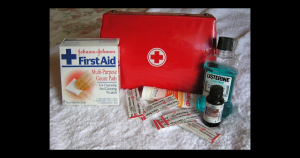
Emergency Aid Kit | Fox Toyota of El Paso in El Paso, TX

5 Essentials to Keep in Your Car’s Emergency Kit

Should your vehicle break down, you don't want to be left in a dire situation. With a well-stocked emergency supply, you can rest assured that you'll be able to navigate the situation without added risk. Read on for tips on what items to keep handy in your car, just in case you're ever in need during an emergency situation. Take Food and Water If you get stuck in a remote area because your car broke down, you'll need food and hydration, so you should keep a case of six to eight water bottles in your car's trunk. If you're going to be traveling with more people during bad weather or to an isolated location, bring one or two more cases. For food, you can keep trail mix, protein bars, and other non-perishable items that will give you a burst of energy if you find yourself stuck someplace. more Travel with Something to Keep You Warm A wool blanket is an ideal choice because it can warm you up even if it gets wet. It's also a good idea to store several hand-warming packets, the kind sold at sporting goods stores. To help you stay dry, buy a poncho that's folded in a small plastic bag. It won't take up space but will be invaluable if your car dies and you need to walk to a gas station in the rain. You may also want to keep an extra sweatshirt in your vehicle. Getting stranded in cold or damp weather puts you in a vulnerable situation if you have no way to stay warm. Keep Light Sources on Hand Because you may get stranded in the dark or simply need better lighting to check under the hood, you need to carry a flashlight and extra batteries for it in your car. It's also a good idea to have other light sources such as matches, candles, and glow sticks. Remember to Take a First Aid Kit Any good emergency readiness kit for your car should include the basic components of a first aid kit. As for medical supplies, carry bandages of varying sizes, alcohol swabs, gauze pads, burn cream, nitrile gloves, scissors, an instant ice pack, and medical tape. You can augment these basics with supplies such as antibiotic cream, insect sting wipes, toilettes, and tweezers. Pack Emergency Equipment for Your Car So far, this list has focused primarily on taking care of you. Don't forget to travel with items that help you get your car up and running again. A spare tire, jumper cables, a fire extinguisher, and foam tire sealant are a few essential emergency items for your car. To help you address your car's problem on the roadside, you should also think about packing a tire jack, tire iron, duct tape, a Swiss Army Knife, and a small tool kit. If you can get your car moving, you may not need some of the survival items included on this list. Wherever you're going, it's always a smart idea to take along your cellphone and charger. They're a critical component of being prepared for roadside emergencies. Image via pixabay.com | Licensed under Pixabay License
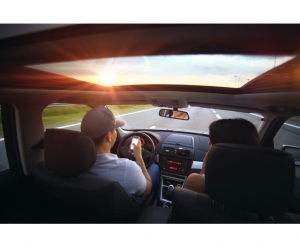
Teen driver | Fox Toyota of El Paso in El Paso, TX

Creating a Safe Driving Contract for Your Teen

When your teen gets their driver's license, it's both exciting and terrifying. Your child is growing up, but they're still going to be prone to making poor choices. A safe-driving contract can help them be mindful of the choices they make while behind the wheel. Here, we look at how to create a safe-driving contract for your teen, why it's so important, what elements to include, and how to keep your worries at bay with the knowledge of having a safe-driving teen. Why Safe-Driving Contracts Matter When teens start driving, they are prone to make mistakes. Kids' brains aren't as developed as adults', and when you combine the natural impulsiveness of teens with their relative lack of experience driving, errors can result in potentially devastating accidents. The government tries to mitigate this somewhat by limiting their driving privileges, such as placing curfews on driving hours, but a contract between parent and kid can help, too. more These contracts can help teens stay mindful of the choices they make while driving. They establish clear guidelines for the teen when they drive without your supervision, and your child is more likely to follow those guidelines when they've put their signature on them. A contract also allows for give-and-take. You can develop these guidelines with your teen, so everyone understands what has gone into them. What Your Contract Should Include Some of the rules you place in your contract should be non-negotiable. For example, you should always include a no-phone guideline. Seat-belt rules are also a must-have element. Other agreements can be more flexible and change over time. You might, for example, want to set curfews with guidelines for when it may be acceptable to break them. Many parents include limits on how many passengers their teen can transport. Areas your teen is not allowed to drive in are a good inclusion. As your teen gets older, you can relax certain restrictions and include new privileges. Another thing that's important to include in your contract is the consequences of breaking the agreement. A contract is only effective if it is binding, and consequences ensure that to be the case. Consequences could be the reduction or removal of driving privileges, increased chores around the house, or being grounded. You can include multiple levels of penalties for different kinds of infractions. Breaking Down the Contract Your contract should be very specific and in sections. It should include responsibilities for the parents as well as for the teen driver. It should then outline each infraction and penalties, with space for initials, and it should include the base rules for the driver to follow. There should then be a final summary and signature page. Check out this sample contract from Drive Safely as a guideline for your own. At Fox Toyota of El Paso, we think it's important to help keep your teen safe on the roads. As a dealership, we have a responsibility to protect drivers of all ages, and we hope this article helps you and your family. Image via pixabay.com | Licensed under Pixabay License

Cracked windshields | Fox Toyota of El Paso in El Paso, TX

How to Take Care of a Cracked Windshield

You're driving down the road when a rock or other piece of debris suddenly flies up, hits your windshield, and causes a crack or a chip. Now you must decide how to take care of the damage. Whether you have a small ding or a large crack, here's what you need to know about dealing with a cracked windshield. Why Repair or Replace Your Windshield Your windshield does more than just block rain, wind, and snow while you're driving. It's also an important component of your vehicle. In addition to being unsightly, cracks or chips in your windshield are also dangerous. Potholes and freezing water can cause small cracks to spread across the windshield and interfere with your line of sight. Large cracks can also weaken the glass and become a safety issue - this is why many states have laws against driving with large cracks in the windshield. more When to Repair or Replace Having a chip or crack in your windshield doesn't automatically mean you must get the entire windshield replaced. If the chip is smaller than an inch and the crack is less than 6 to 12 inches in length, chances are good you can have them repaired. On the other hand, if the chip or crack is directly in your line of sight, at the edge of the windshield, or you have three or more chips or cracks in your windshield, it's safer to have the windshield replaced. Park Your Vehicle in a Garage Whenever possible, attempt to park your vehicle in a garage until you have a chance to either repair or replace your chipped or cracked windshield. The heat from the sun, the force from rain or wind, and the weight of snow can all cause cracks to get bigger. Parking your vehicle away from the elements will help reduce the stress on the glass, cut down on the effects of temperature changes and the elements, and give you time to take care of the issue. Consider a Temporary Fix If you have a small chip or crack in your windshield and you want to keep it from spreading until you can have it repaired, you can use superglue or clear nail polish. First, clean your windshield using an auto glass cleaner. Next, apply the clear nail polish or superglue in the chip or crack. These everyday items are a temporary solution that can hold the two sides of the crack together and prevent dirt from getting inside the crack until you can have it repaired. Use a Windshield Repair Kit If you're comfortable with a do-it-yourself repair, you can purchase a windshield repair kit from an auto parts store. These kits typically come with an injectable resin that replicates the repair technique used by professionals. Since these kits may not perfectly recreate a professional repair, you might want to use them on cracks or chips that are in an inconspicuous area. If you suddenly find yourself with a crack or chip in your windshield, you now know the steps you need to follow to take care of the problem. Don’t delay repairs, as that may lead to an increase in cost. Fortunately, our friendly service technicians at Fox Toyota of El Paso are available to assist you – call to make an appointment with us today! Image via pixabay.com | Licensed under Pixabay License
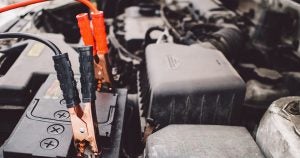
Jumper cables on car battery | Fox Toyota of El Paso

How to Jump a Car Battery

Having a dead battery can seem like the worst thing of the day, but there's no need to feel discouraged. Follow these simple steps, and you'll be back on the road in no time. Gather your supplies: - a set of jumper cables - another vehicle, a charged battery or portable power unit - safety equipment, such as gloves and safety glasses more 1) Identify the positive terminal on both batteries, marked with red. 2) In the vehicle with the dead battery, identify an unpainted metal surface that is not next to the battery. 3) Connect a positive (red) jumper cable clamp to the positive (red) post of the dead battery. 4) Connect the other positive (red) jumper cable clamp to the good battery’s positive (red) post. WARNING: Do NOT allow the positive and negative jumper cable clamps to touch once connected to a battery. This will generate sparks. 5) Connect the black (negative) clamp on that same end of the jumper cable to the negative (black) post of the good battery. 6) IMPORTANT: Connect the other negative (black) clamp to the unpainted metal surface under the hood of the car with the dead battery. DO NOT connect to the negative post of the dead battery – this could cause an explosion. 7) Start the good vehicle, allow it to run for about 5 minutes with the jumper cables connected. Attempt to start the disabled vehicle; if the engine won’t turn over, try repositioning the negative (black) jumper cable connected to the unpainted metal surface. Ensure the surface is clean so as to allow for a good connection. If the engine doesn’t turn over after a couple more minutes, try to race the good vehicle’s engine a little so the alternator delivers more amperage. 8) Once the dead vehicle has started, remove the jumper cables in the reverse order they were connected. Allow the vehicle to run for at least 10 minutes before turning off, to recharge the battery. Image via pixabay.com

Contact Us

Fill out this form below and we'll contact you shortly
*Required Fields