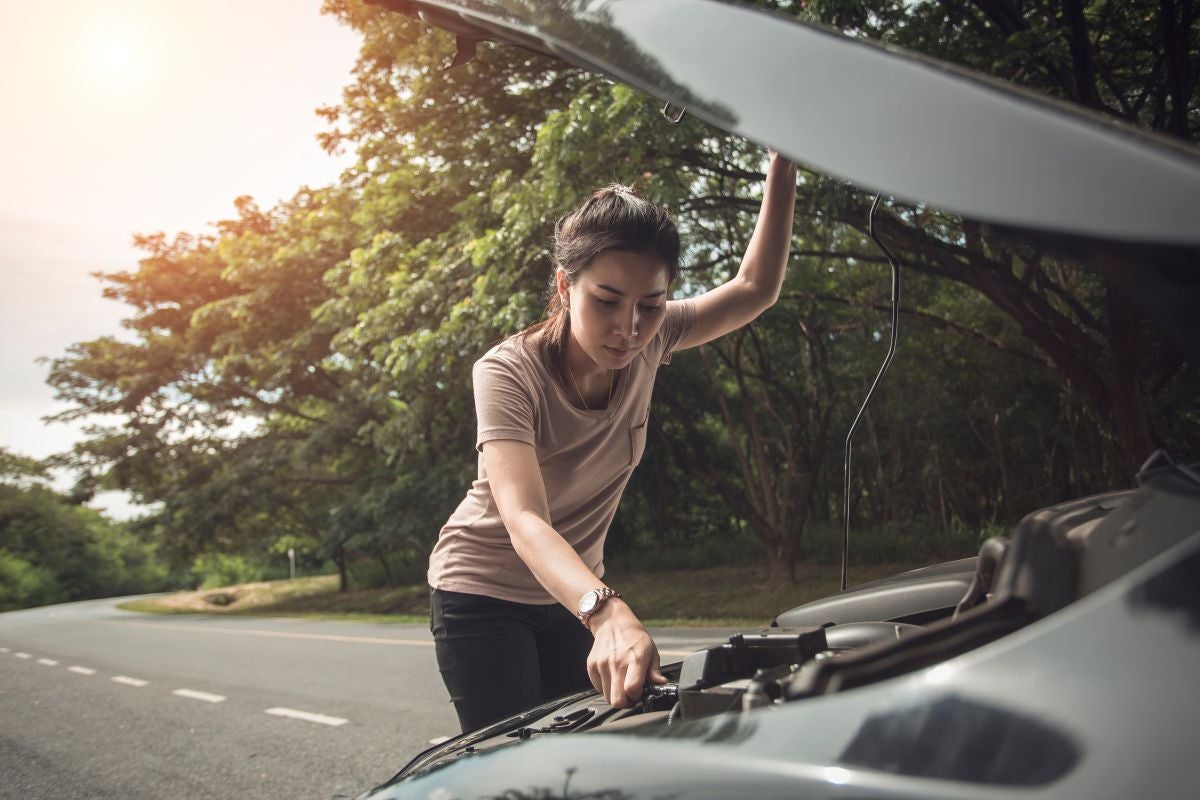


A roadside emergency can happen even when you keep your vehicle in good condition. A flat tire, battery problem, or unexpected delay can interrupt your commute or leave you waiting for assistance during a trip away from El Paso. For local drivers, a well-stocked vehicle emergency kit should account for desert heat, direct sunlight, and the possibility of traveling along highways where services may be spread out. If you drive a Toyota, preparing your kit also means understanding the equipment supplied with your particular model and knowing when a roadside repair should be left to a professional. Here is how to build a practical roadside emergency kit for El Paso driving. Why Roadside Preparedness Matters in El Paso Driving in and around El Paso can involve a mixture of city streets, busy highways, and longer regional trips. While help may be readily available in some locations, a breakdown outside a populated area can require additional waiting time. Heat adds another consideration. A parked vehicle can become extremely hot, potentially affecting the safety of passengers and the condition of supplies stored inside. An emergency kit helps you organize the essentials you may need while arranging assistance. It should complement routine maintenance, safe driving practices, and a plan for contacting help rather than replace them. 1. Start With Water and Basic Personal Supplies Drinking water should be a priority for drivers traveling in a desert climate. Carry water for the usual number of passengers, and consider additional supplies when planning a longer trip. Useful items may include: Drinking water in securely stored containers. Nonperishable snacks suitable for the expected storage conditions. Sunscreen. A hat or other sun protection. A compact blanket or suitable weather-protection item. Tissues and basic hygiene supplies. Review the storage requirements for your supplies. Vehicle interiors can become hot enough to damage certain packaged foods, electronic items, batteries, and medications. Do not leave heat-sensitive products in a parked vehicle if the conditions could make them unsafe. Check your supplies periodically and replace anything that is expired, damaged, or leaking. 2. Carry Roadside Visibility and Safety Equipment If your vehicle becomes disabled, making yourself visible and avoiding passing traffic are important priorities. Consider keeping the following items in your Toyota: A reflective warning triangle or another suitable warning device. A high-visibility vest. A flashlight or emergency light. Spare batteries if your light requires them. A basic first-aid kit. Work gloves. A phone charging cable. A compatible portable power bank. Store the equipment where it can be accessed without unpacking your entire vehicle. Do not place yourself in traffic to set up roadside equipment. If your vehicle stops in a dangerous location, prioritize reaching a safer place when possible and contact emergency services or roadside assistance. Follow the instructions of emergency personnel and local authorities. 3. Prepare for a Flat Tire A tire problem is one of the most common reasons a driver may need roadside assistance. Before you need to deal with one, determine what tire equipment your Toyota actually includes. Depending on the model and configuration, it may have a spare tire, a tire repair kit, or another mobility solution. The tools and recommended procedures can differ. Your preparation checklist should include: Identifying the tire equipment supplied with your vehicle. Knowing where the equipment is stored. Reading the relevant instructions in your owner's manual. Understanding the limitations of a temporary tire repair product. Keeping tire pressure and tread in good condition. Do not assume that a repair kit can address every puncture. Damage to a tire's sidewall, significant tire damage, or other conditions may require professional assistance. If you have never changed a tire or used your vehicle's repair equipment, review the instructions in advance. Do not attempt a tire change on unstable ground or beside fast-moving traffic. 4. Consider Battery and Phone-Power Needs A weak battery can lead to an unexpected stop, and heat can contribute to battery aging. If your Toyota has experienced slow starting or other battery-related symptoms, arrange a battery inspection rather than relying on emergency equipment alone. A portable jump starter may be useful when it is compatible with your vehicle and used according to the manufacturer's instructions. However, jump-starting procedures vary, particularly between conventional gasoline vehicles and hybrid models. Consult the correct Toyota owner's manual before attempting to jump-start a vehicle. If you're uncertain about the procedure, contact roadside assistance. A charged phone is equally important during an emergency. Keep a suitable charging cable available, and maintain a portable power bank according to its instructions. Because heat can affect electronics and batteries, avoid leaving charging devices in a hot vehicle for extended periods when safer storage is available. 5. Organize Important Vehicle and Emergency Information Your kit should include information that helps you request assistance and identify your vehicle. Consider keeping secure access to: Roadside assistance contact information. Your insurance provider's assistance number. Emergency contacts. Vehicle registration and insurance documentation. Basic vehicle identification and service information. Owner's manual instructions or information about accessing a digital manual. Avoid displaying personal documents inside the vehicle where they can be easily seen. Keep necessary records secure and accessible. Before a longer trip, review your route and identify major roads, exits, and planned stops. If traveling through areas with limited services, let someone know your general route and expected arrival time. 6. Add Supplies for Longer Trips Your emergency kit should reflect where you're going, who is traveling with you, and how long you expect to be away. For longer drives, you may want additional drinking water, extra nonperishable food, a paper map, additional phone-charging capacity, and supplies suited to the expected weather. If children, older adults, or pets are traveling with you, account for their needs. Never leave a person or animal unattended in a dangerously hot vehicle. Check fuel or charging availability before departing, review current road conditions, and avoid relying exclusively on cellular coverage or a navigation application. A little route planning can reduce uncertainty if an unexpected delay occurs. 7. Store Your Kit Safely and Review It Regularly Keep emergency equipment in a secure container that will not slide around when you brake or turn. Heavy items should be restrained, and supplies should not interfere with visibility or access to vehicle controls and safety equipment. Review your kit every few months and before major road trips. Replace depleted batteries, expired supplies, and damaged equipment. Remove items that are no longer suitable for the conditions in which they're stored. You should also know where your vehicle's emergency equipment is located. A kit is less useful if you cannot reach it when you need it. Pair Emergency Preparedness With Toyota Maintenance A roadside kit helps you prepare for unexpected situations, but preventive maintenance remains important. Regular tire inspections, battery testing, fluid checks, and scheduled service can help identify developing problems. If you have questions about your Toyota's roadside equipment or upcoming maintenance, contact Fox Toyota of El Paso to discuss your vehicle. Visit Fox Toyota of El Paso to explore the dealership's resources and plan your next maintenance visit. With the right supplies, vehicle-specific knowledge, and a clear plan for getting help, you can be better prepared for the unexpected on El Paso roads.